Professional Business Cards as a Powerful Identity Tool
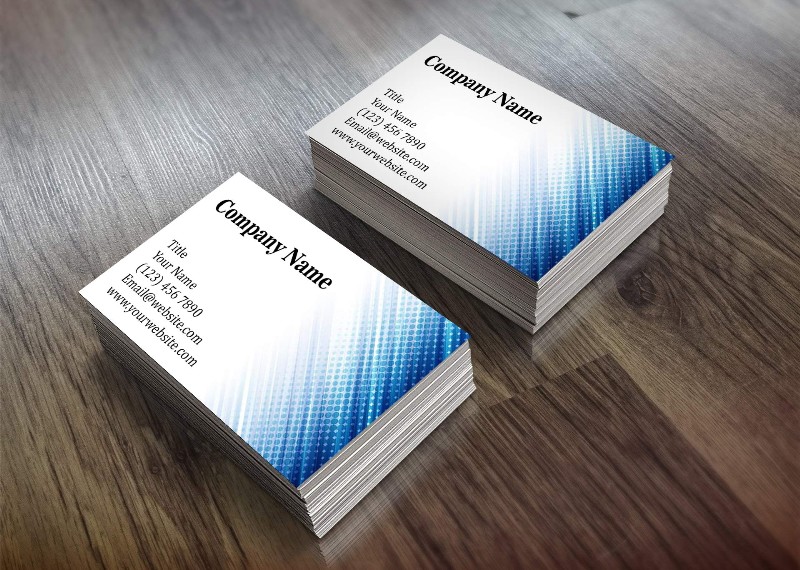
Professional business cards continue to play an essential role in modern networking, even in a digital-first world. They are more than just small pieces of printed paper; they represent a personal or corporate identity that can leave a strong and lasting impression. When designed thoughtfully, professional business cards communicate credibility, trust, and attention to detail in a way that digital profiles often cannot match 咭片設計. They serve as a physical reminder of a meeting, making it easier for potential clients, partners, or employers to reconnect when needed.
Professional business cards are often the first tangible introduction between two individuals in a business setting. Because of this, their design carries significant weight. A well-crafted card reflects not only contact information but also the values and personality of a brand or individual. Clean design, balanced layout, and clear typography all contribute to how the recipient perceives the sender. A poorly designed card, on the other hand, can weaken even the strongest professional message.
One of the most important aspects of professional business cards is simplicity. In many cases, less is more. A clutter-free design allows the essential information to stand out clearly without overwhelming the reader. Name, job title, company name, phone number, email address, and possibly a website are usually sufficient. When too much information is included, the card can become difficult to read and lose its effectiveness. Simplicity ensures that the message is communicated quickly and efficiently.
Color choice also plays a key role in the effectiveness of professional business cards. Colors are powerful psychological tools that influence perception and emotion. For example, blue is often associated with trust and reliability, while black conveys elegance and authority. Green can represent growth and sustainability, making it suitable for environmentally conscious businesses. Choosing the right color palette helps reinforce the identity of the brand and creates a sense of consistency across all marketing materials.
Typography is another critical element in professional business cards. The style of font used can significantly impact readability and tone. Modern sans-serif fonts often communicate simplicity and innovation, while serif fonts suggest tradition and professionalism. It is important to choose fonts that are easy to read even at small sizes, as business cards offer limited space. Combining too many fonts can create visual confusion, so designers usually stick to one or two complementary styles.
The material used for professional business cards also influences how they are perceived. High-quality cardstock gives a sense of durability and professionalism, while thin or low-quality paper may suggest a lack of attention to detail. Some professionals choose textured finishes or special coatings like matte, gloss, or soft-touch to enhance the tactile experience. These subtle details can make a business card more memorable and engaging for the recipient.
Layout and structure are essential in ensuring that professional business cards are both visually appealing and functional. A well-organized layout guides the reader’s eye naturally through the information. Proper spacing, alignment, and hierarchy help emphasize the most important details. For instance, the name or company logo is often placed in a prominent position, while secondary details are arranged more subtly. A balanced layout ensures that the card feels professional and easy to navigate.
Brand identity is another important consideration in professional business cards. A business card should be consistent with other branding elements such as logos, websites, and marketing materials. This consistency helps build recognition and trust over time. When a card aligns with a company’s overall visual identity, it strengthens the impression of professionalism and reliability. It also makes the brand more memorable in competitive industries.
Creativity can also enhance professional business cards when used appropriately. While maintaining a professional tone, subtle creative elements can make a card stand out. This might include unique shapes, embossed logos, or minimal graphic elements that reflect the nature of the business. However, creativity should never compromise clarity. The main goal is still to communicate information effectively while leaving a lasting impression.
In many industries, professional business cards are still considered a standard tool for networking. Whether at conferences, meetings, or casual encounters, exchanging business cards remains a quick and efficient way to share contact information. Unlike digital exchanges, physical cards do not require devices or internet access, making them universally accessible. This simplicity adds to their lasting value in professional environments.
The printing quality of professional business cards is just as important as the design itself. Even the most visually appealing design can lose impact if printed poorly. High-resolution printing ensures that text is sharp and colors are accurate. Choosing a reliable printing service is essential to maintain the integrity of the design. Attention to detail during printing can elevate a simple card into a premium professional tool.
Sustainability is becoming increasingly relevant in the production of professional business cards. Many businesses are now opting for eco-friendly materials such as recycled paper or biodegradable inks. This not only reduces environmental impact but also reflects positively on the company’s values. Clients and partners often appreciate organizations that demonstrate responsibility toward the environment, making sustainable business cards a meaningful choice.
Professional business cards also evolve with industry trends and personal branding needs. As businesses grow and change, their cards should reflect their current identity. Updating designs periodically ensures that the card remains relevant and aligned with modern aesthetics. However, consistency should still be maintained to preserve brand recognition. A well-balanced update can refresh the design without losing its core identity.
Networking remains one of the primary purposes of professional business cards. They act as a bridge between initial meetings and future opportunities. A well-designed card increases the likelihood that someone will remember and contact you later. It serves as a silent representative of your brand even when you are not present. This makes it a valuable tool for long-term professional growth.
In conclusion, professional business cards are far more than simple contact tools. They are a reflection of identity, professionalism, and attention to detail. Every aspect, from design and color to material and printing quality, contributes to the overall impression they create. In a world filled with digital communication, the physical presence of a well-designed business card continues to hold significant value. It remains a timeless element of professional networking that bridges personal connection with brand identity in a meaningful and memorable way.